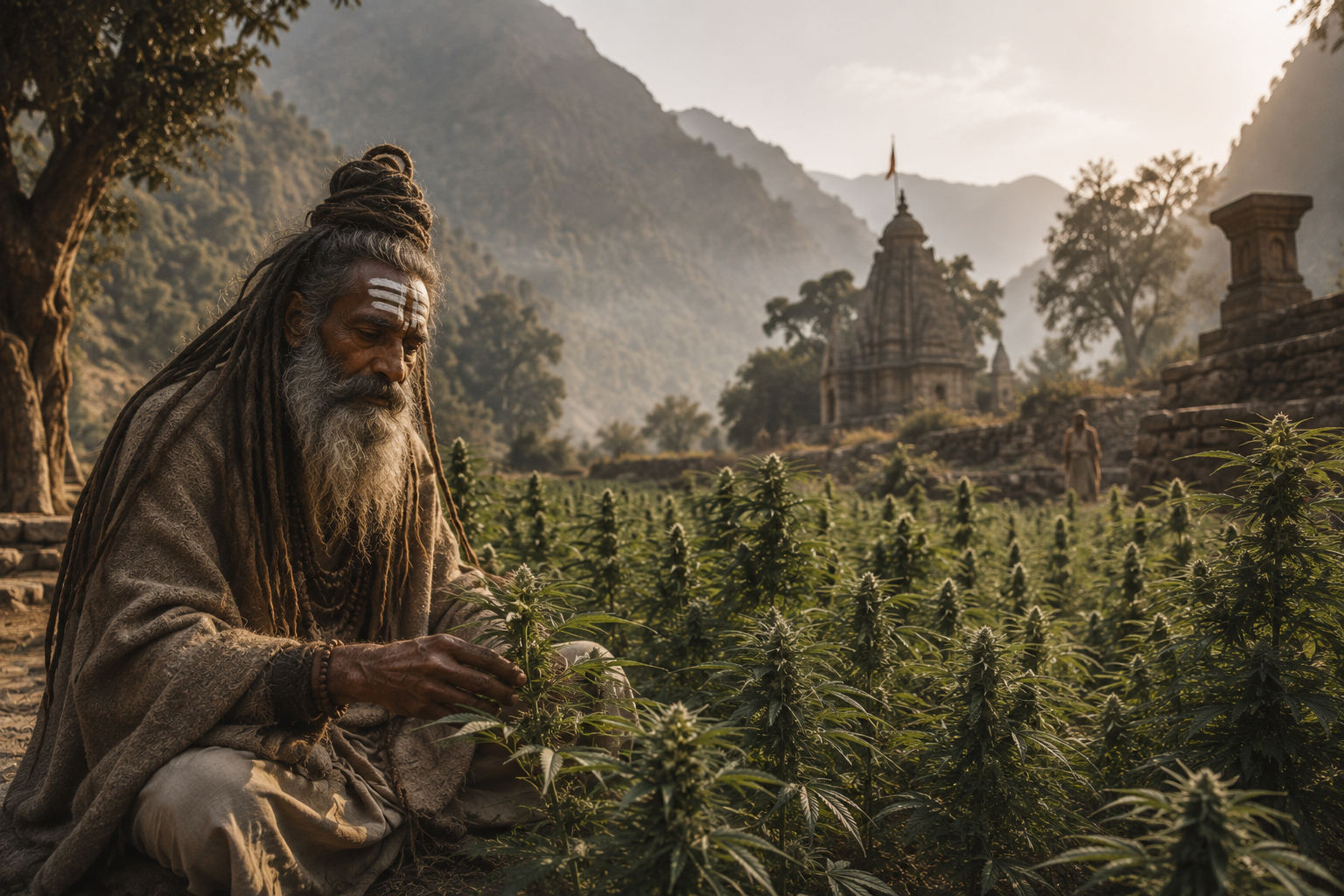
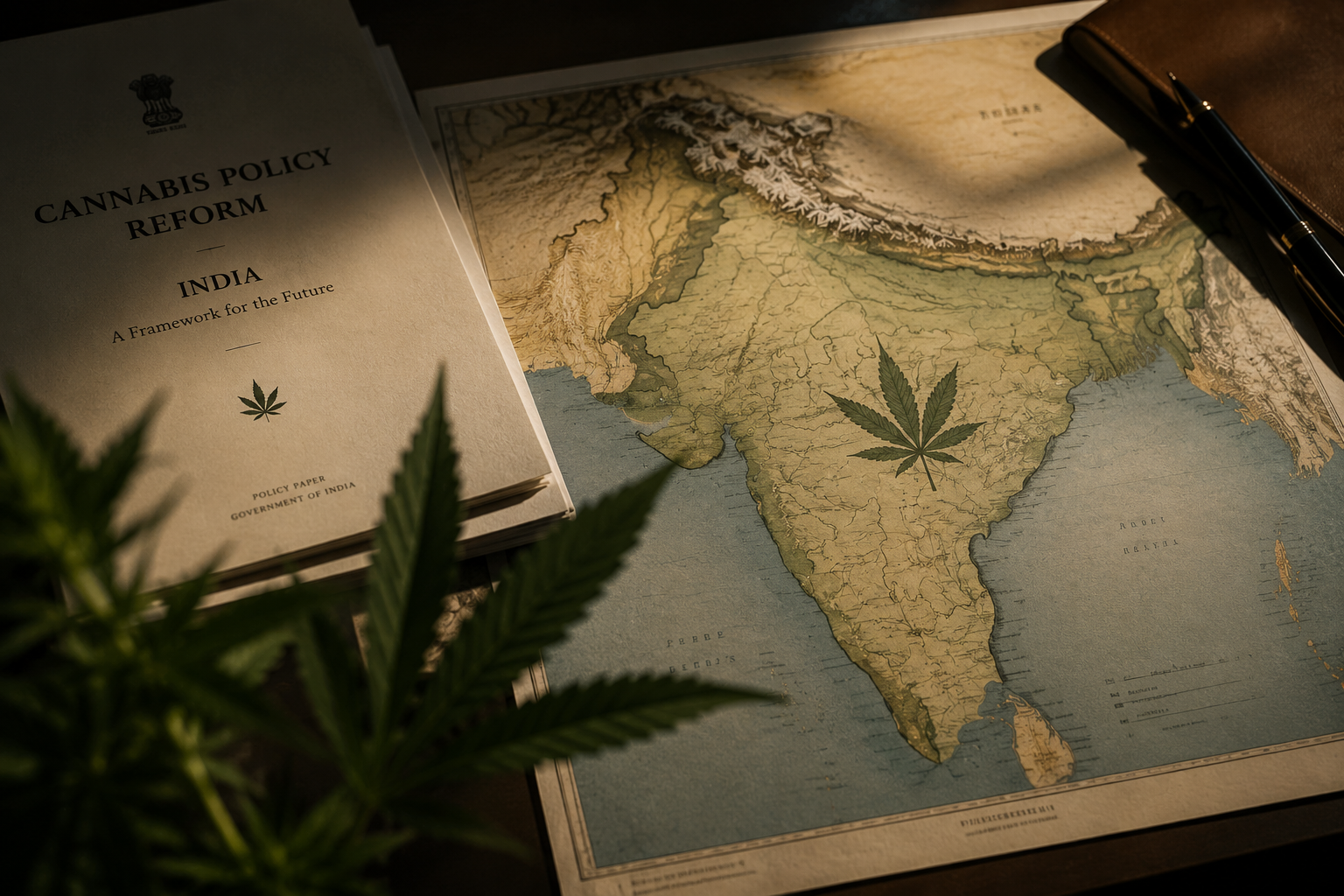
India has one of the world's oldest relationships with cannabis. It appears in the Atharva Veda, in Ayurvedic pharmacopoeia, in the temple economy, in the folk medicine of a hundred rural districts. And yet — since the Narcotic Drugs and Psychotropic Substances Act of 1985 — we have spent forty years pretending otherwise.
A policy vacuum, filled by fear
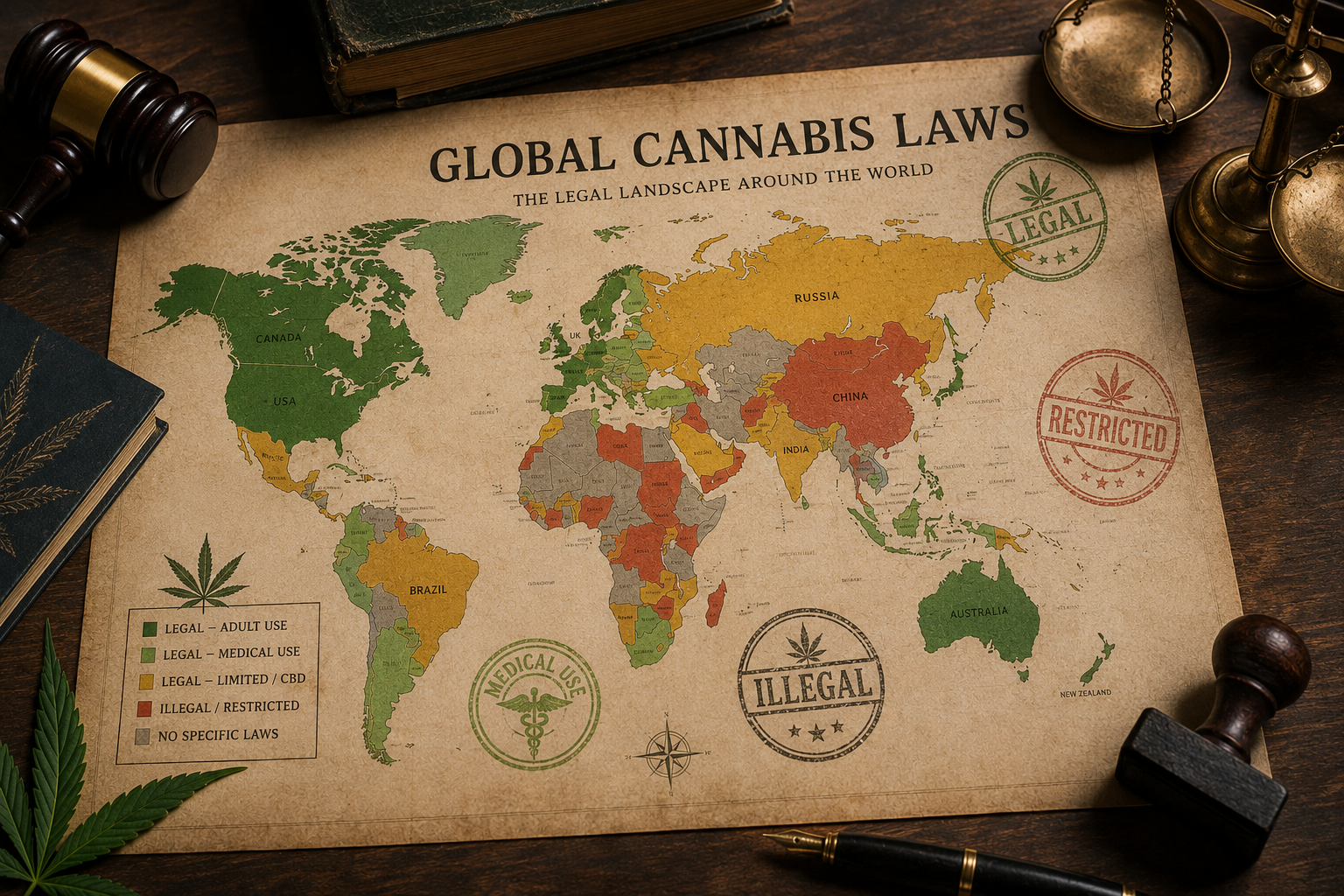
The current legal framework does not distinguish meaningfully between recreational abuse, medicinal use, industrial hemp, or ritual practice. It collapses all of them into a single category of prohibition. The result is a policy that neither prevents harm at scale nor enables research at scale.
"A modern cannabis policy is not a policy of permission. It is a policy of information."
What a modern policy would look like
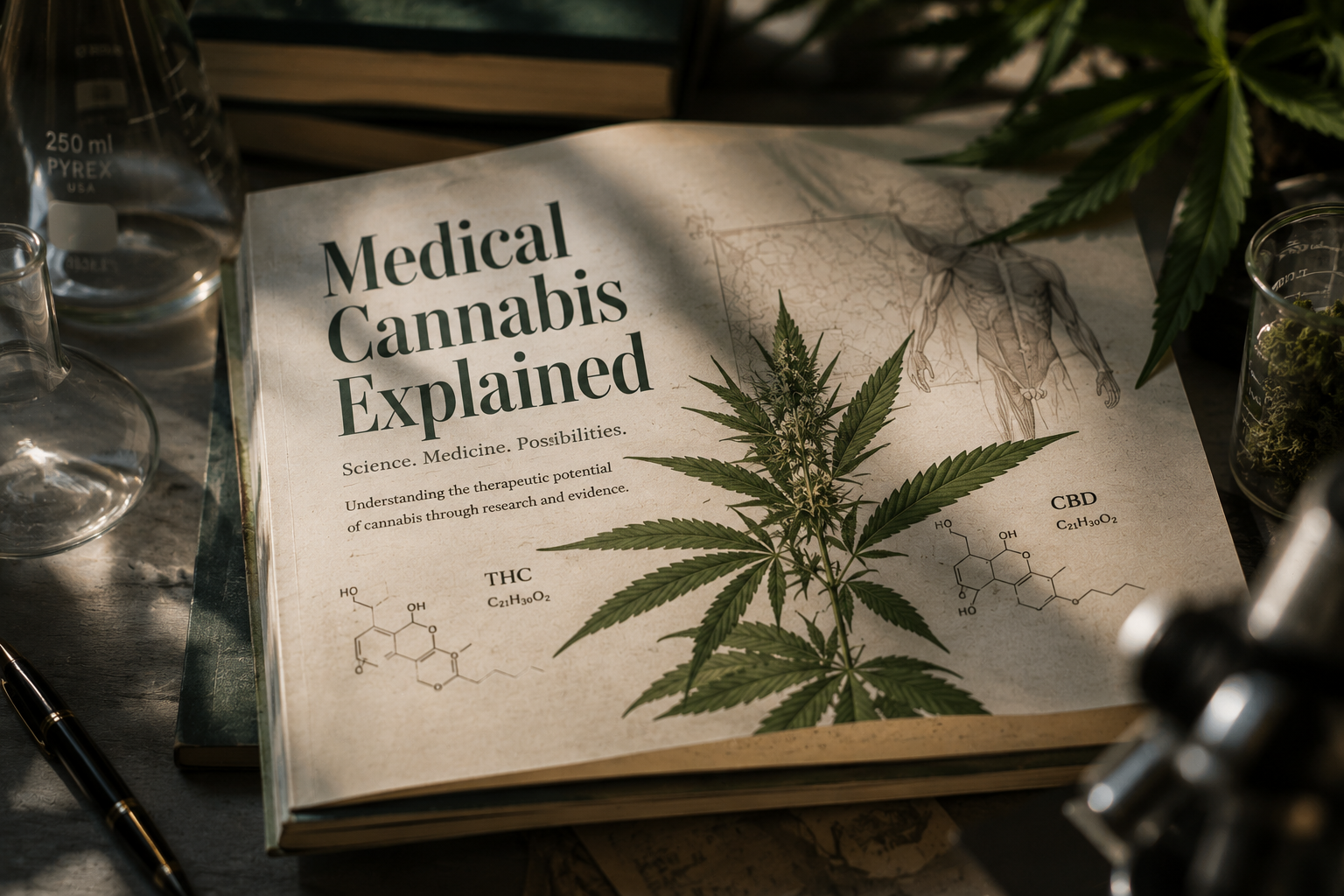
Education first. Research second. Public health third. Regulation fourth. In that order. Everything else — cultivation licenses, medicinal frameworks, industrial hemp, decriminalisation of small-quantity possession — flows from those four commitments.
This is not a call for legalization tomorrow. It is a call for a serious, evidence-led conversation today — one that treats Indian citizens as adults, and the plant as neither villain nor sacrament, simply, finally, understood.